
Restaurant Systems Seminar
1 Day to Master Labor Cost
Learn the exact tools and math David Scott Peters uses with his own coaching clients to budget, schedule, track and control raw labor — without guesswork, stories or excuses.
August 12, 2026
8:30 a.m. Registration
9 a.m. to 6:30 p.m. Seminar
Tempe, Arizona
Who This Seminar Is For
This Seminar Is For You If...
You're an independent restaurant owner or GM who reviews labor cost every week (or needs to) — and dreads it
Your managers can't explain a bad labor week beyond "we were just busy" or "I don't know"
You write next week's schedule by copying last week's and hoping
You've never calculated dollars-per-labor-hour for your own restaurant
You want your management team operating off the same numbers you do — not just you
Bring your managers. This works best when the people writing your schedules are in the room learning the math with you.
The System You'll Take Home
You'll Leave With 5 Tools You Can Use Monday Morning
Restaurant Payroll Guardian
Turns your sales forecast and labor target into the exact hours and dollars you can schedule, by position, before you write a single shift.
Restaurant Labor Discrepancy Finder
Catches a schedule that's already over budget before it's posted — while there's still time to fix it for free.
Labor Tracker
A daily steering wheel, not a weekly report card. See the variance while the week is still happening, not after the money's spent.
Restaurant Labor Efficiency Finder (DPLH)
Measures real productivity in dollars per labor hour, so you know if a busy shift was actually an efficient one.
Weekly Labor Review System
A six-part explanation format so every labor conversation has a target, a variance, a cause and a correction — with an owner and a due date.
Every attendee leaves with a complete printed workbook to run these tools at their own restaurant the same week.
Your Day, Hour by Hour
| Time | Session |
|---|---|
| 9:00 – 9:30 | Your Job Is to Protect the Raw Labor Number |
| 9:30 – 10:15 | Budget, Prime Cost and Raw Labor Targets |
| 10:30 – 12:00 | Restaurant Payroll Guardian: Labor Allotment Math |
| 12:00 – 1:30 | Lunch |
| 1:30 – 2:30 | Scheduling to Budget |
| 2:30 – 3:15 | Restaurant Labor Discrepancy Finder: Schedule Variance |
| 3:30 – 4:30 | Labor Tracker: Daily Labor Control |
| 4:30 – 5:15 | Restaurant Labor Efficiency Finder: Dollars Per Labor Hour |
| 5:30 – 6:05 | Weekly Labor Review and Budget Variance |
| 6:05 – 6:30 | Manager Labor Operating Agreement |
Bring a calculator, a pen and a willingness to own the number. We'll use real restaurant numbers all day — this isn't theory.
Your Systems Expert for the Day
David Scott Peters
Creator, Restaurant Prosperity Formula™

Since 2003, David has been teaching independent restaurant owners how to run restaurants they love, that earn them financial freedom and the freedom to work less in their restaurant so they can enjoy the rest of their life, too. My proven formula makes running a restaurant easier and more profitable. As a restaurant systems expert with over 30+ years of working in and with restaurants, I'll share with you how to get the relief you need so you can stop living in your restaurant and finally enjoy the life you’ve been working for.
Labor Wins for Restaurant Owners

Restaurant owner Regina discovered in her Mexican restaurant, that despite low food costs, hidden kitchen prep labor was destroying profitability. After focusing on labor systems, scheduling and prime cost management, she finally gained control of her restaurant’s margins.
Regina Sidebottom

Restaurant owner Ryan James' restaurant is on the beach in Maryland, which means he manages a seasonal labor schedule with three times the hours and staff in the summer as in the winter. After analyzing his numbers and using systems, he saved $65,000 on labor in one summer.
Ryan James
Avery Ward
Restaurant Owner
How he cut the chaos and took control of labor
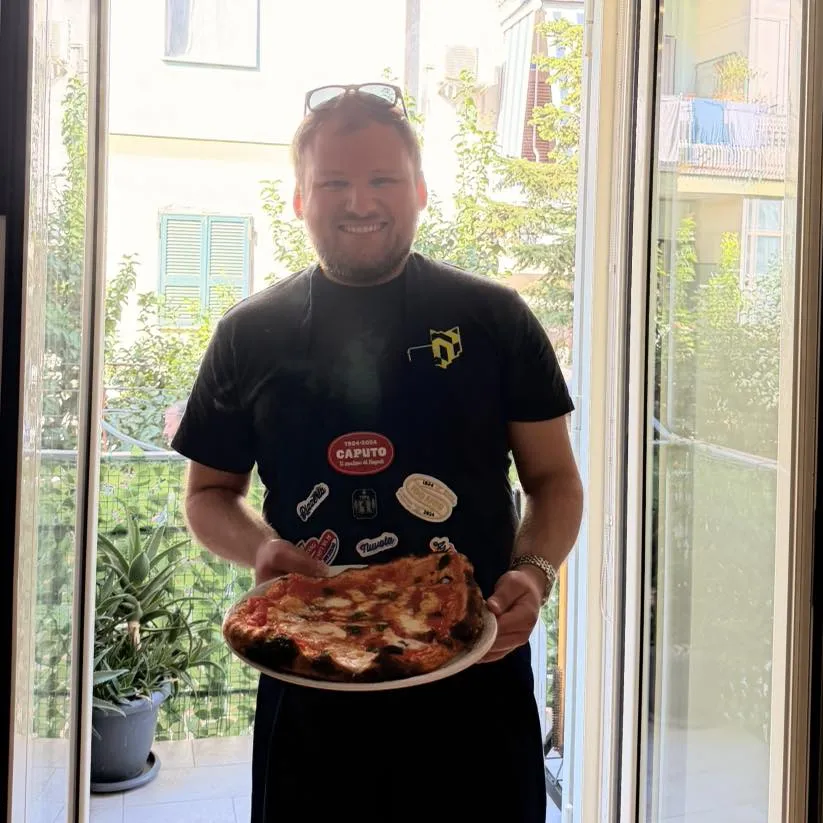
When Avery Ward returned to his family’s pizza business in Ohio, sales were growing fast — but so were the operational headaches. The restaurant had no documented systems, training was inconsistent and Avery found himself trapped in the day-to-day grind, working open-to-close shifts and answering constant staff questions. Even simple issues like “Where’s the plunger?” would interrupt his only day off.
As the business scaled past $1 million in annual sales, Avery realized growth without systems was unsustainable. He implemented structured labor systems: detailed opening and closing checklists, documented procedures, accountability tools, and manager workflows that eliminated guesswork and reduced dependency on him personally. Tasks were clearly assigned, verified and tracked daily.
The results transformed the business. Avery went from working every weekend on the line to being completely off the schedule. Labor became more efficient, managers became accountable and operations became consistent. Most importantly, profitability jumped dramatically — from roughly 13% net profit to 24% net profit in under a year.
Questions Before You Register
Is this for owners or managers?
Both — and it works best when you bring them together. The tools are designed for managers to run day-to-day, but owners need to understand the math to hold the system accountable.
What's included in the $250?
Full-day seminar, a complete printed workbook (the same one used to run the live sessions), lunch, and access to all five labor tools taught that day.
Can I bring my whole management team?
Yes — most owners do.
Do I need to know the math already?
No. We start from the basic formulas and build up. Bring a calculator — that's the only prerequisite.